

Analysis: Cannabis Use Not Linked to Suicide in High-Risk Individuals

Fresh longitudinal research findings highlighted by NORML in late December 2025 have contradicted the long-standing and often cited concern that the use of cannabis can lead to suicide among young adults
The study, which was recently published in the journal Addictive Behavior Reports, was carried out by a team of researchers from the University of Colorado at Boulder. The team of investigators attempted to address an important gap in mental health studies by tracking a particular cohort of “high-risk” teenage siblings.
The researchers chose to study the participants at three unique stages of their life: when they were 17 years old, when they were 24 years old, and when they were 30 years old, to find out if early or frequent use of the drug was a predictor of later suicidal tendencies.
Their findings were unequivocal and run contrary to much of the argument used by opponents of the legalization of the drug: “Cannabis use did not demonstrate a consistent association with cross-sectional or later life suicidality in this high-risk sample.”
What is interesting is the fact that while the information did not reveal the connection to the use of cannabis, the research did reveal the potential connection to tobacco use as far as suicidal thoughts were concerned.
This adds to an increasing body of international evidence that is helping to shift the debate around mental health. For example, recent statistics out of Canada have revealed that after legalization of AUM for adults, emergency room admissions for suicidal behavior have not increased.
Also, separate research cited in the National Bureau of Economic Research found that suicide rates for seniors could actually drop in the aftermath of the opening of dispensaries.
Source: norml.org
South Africa Sets March 2026 Deadline for Full Legalization
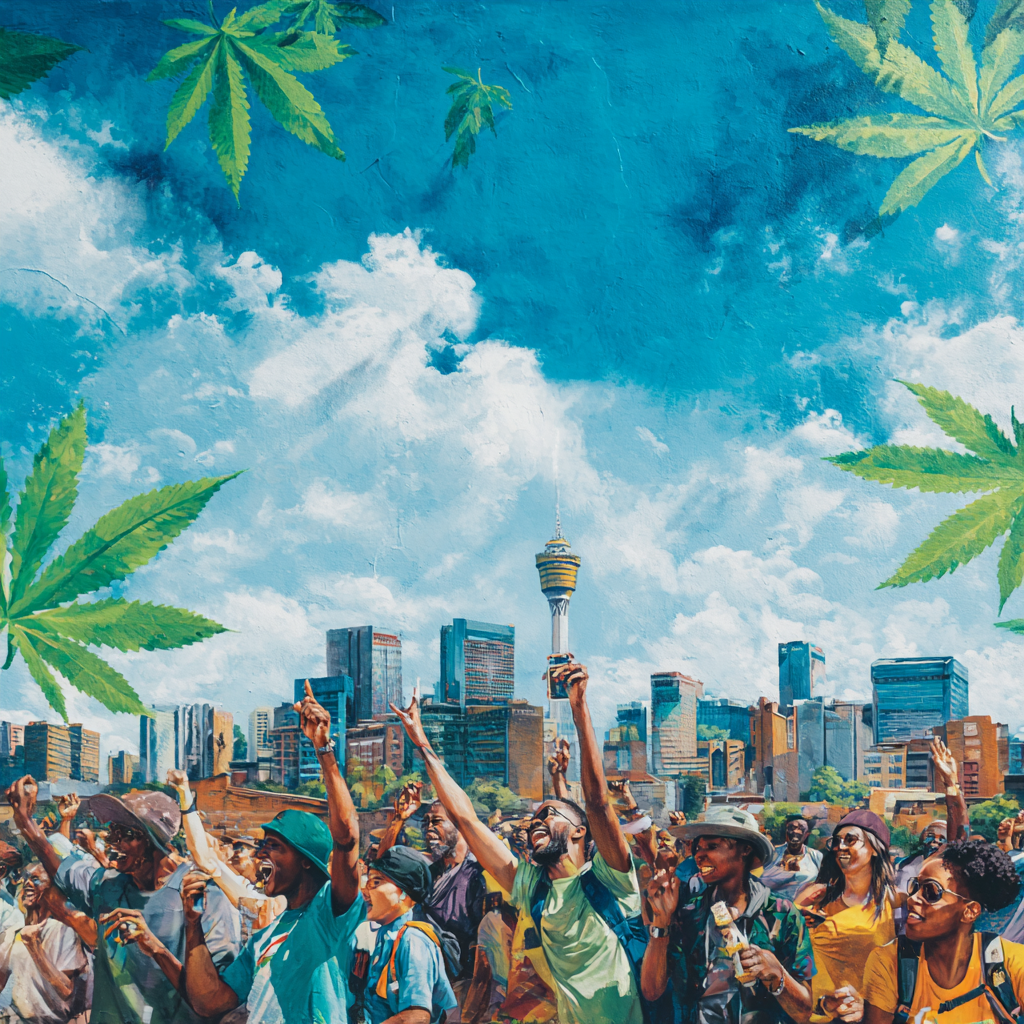
In a major policy update from Pretoria on January 10, 2026, the South African government affirmed that the Cannabis for Private Purposes Act will be fully implemented by March 31, 2026.
“This announcement represents the last phase of a long, often confusing, legislative process which began with the decriminalisation of personal use by the Constitutional Court in 2018.”
While it was ostensibly made into law last year under the Act, it seems that the actual regulatory process that would allow an effective market to come into being has yet to overcome bureaucratic obstacles.
Minister Mmamoloko Kubayi has announced that this “phased rollout” is now in its critical final stage.
The biggest step coming up is the formal removal of cannabis from the Drugs and Drug Trafficking Act – a legal technicality that has previously prevented the police from enforcing the decriminalization order.
This is the very news that the industry has been waiting for locally, as it heralds the beginning of the end of the era of the so-called “grey zone” clubs.
It is believed the finalized regulations will officially open the door for the operation of “Cannabis Clubs” and provide small-scale farmers with an official route into the legal supply chain.
This is particularly important to the rural economy of South Africa, where legacy growers in the Eastern Cape have traditionally not participated in the economy.
By setting the hard deadline of March 31, the government is pledging to move from the “wild west” to the start of the formalized African market, where individuals can have their own economic opportunity.
Source: businesstech.co.za
Morocco’s “Legalization is Freedom” Harvest Reaches Global Markets
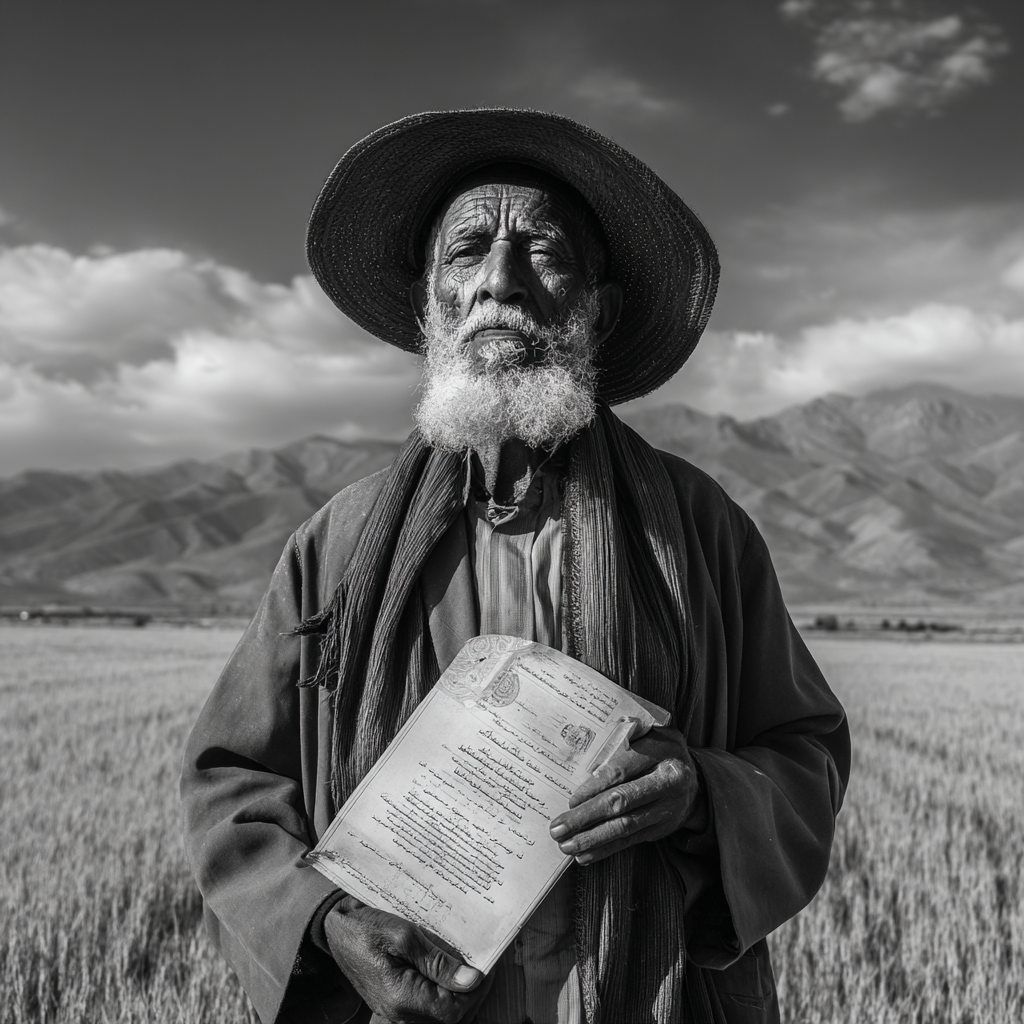
Reports from the Rif Mountains in early January 2026 confirm that this ambitious strategy to integrate legacy farmers into a formal economy is yielding positive results, as the first major exports of these farmers enter Australia and Europe.
For decades, the lives of thousands of such farmers, such as the 70-year-old Mohamed Makhlouf, were marked by the fear of police crackdowns and poverty, with hashish cultivation being the only means of survival for these people.
Today, with the ANRAC’s supervision, the crops grown by these people are used for pharmaceutical production.
“Legalization is freedom,” Makhlouf said, explaining the change that has brought a sense of peace and stability to a region that has often found conflict with the state.
The legal industry has already issued more than 2,900 licenses to local growers and is transforming local infrastructure rapidly. No longer are individuals smuggling raw resin; rather, farmer cooperatives are working with investors to build modern extraction facilities that can produce EU-GMP compliant CBD Oil for the global wellness industry.
The key to this story is that it represents an incredibly successful and unique model for exiting an illegal market: instead of punishing the old growers for their illegal activities and allowing an international corporation to dominate the market once again, Morocco is giving their native growers a legal export license.
Instead, the focus now is the “Beldia” strain, a local land race type that exhibits excellent resistance to drought and has a unique chemical profile, becoming a premium export commodity.
In doing so, Morocco stands to become a major player in the world’s medicine supply chain, and at the same time, help to heal social wounds at home.
Source: idpc.net
Switzerland’s “Social Clubs” Expand Scientific Trials

The Swiss Federal Office of Public Health greenlit an expansion of their current “scientific pilot trials” for adult-use cannabis in early January 2026, demonstrating an increasing commitment to their evidence-based approach to legalization.
The city of Zurich, through its “Züri Can” initiative, and the Canton of Basel have successfully introduced “regulated cannabis social clubs,” allowing members to buy safe and quality-controlled cannabis in a regulated setting.
Unlike the commercial-style “dispensary” models found in North America, the tests carried out in Switzerland are purely academic in nature and intended to assess the sociological and health-related impacts of controlled use prior to finalization of the proposed national legislation.
In the research conducted by the University of Zurich, more than 2,000 people have been monitored to examine the effects of legal access on their consumption habits, mental health, as well as the use of other substances.
The “social club” model is particularly unique in that it creates an environment that is community-focused and places a strong emphasis on education and harm reduction rather than making money.
By monitoring these users across several years, and extending the “Züri Can” project to 2028, Switzerland is hoping to create a strong base for a permanent cannabis law through data collection.
Initial data is showing the “laboratory” method to be a success, moving users off the black market and ensuring there is no jump in youth consumption.
This model is gaining prominence at the international level as a middle path that can provide a balance between the extremes of prohibiting and commercializing the industry, as the government can ensure the maintenance of high standards of safety in the products.
Source: bag.admin.ch
Brazil’s Supreme Court Sets Hard Deadline for Cultivation Rules

A decisive and historic decision was taken on January 13, 2026, wherein the Superior Court of Justice (STJ) in Brazil gave a “final warning” to the Brazilian government that the regulations on the cultivation of cannabis in the country need to be drawn up by the end of March 2026.
The court gave the health agency Anvisa one final extension of 180 days to implement the law but clearly indicated that this would be the last delay that would be tolerated by the judiciary.
This ruling follows years of legal wrangling that have kept patients in limbo.
It is a critical move for the biggest economy in South America. Brazil currently imports almost its entire supply of medical cannabis oil, making it unaffordable for the majority of its population while placing a heavy cost burden on its healthcare system.
The ruling of the court will essentially force the government to let domestic companies grow hemp and cannabis to be used medicinally, which will bring down costs significantly.
The move indicates the judiciary’s unwillingness to wait for the legislative or executive branches of government to take the initiative. In setting the deadline, the STJ is forcing the country to develop its own industry until the middle of the year.
Industry analysts have predicted this will unleash a huge market potential whereby the country can capitalize on its favorable climatic conditions to become a world leader in cultivation, just like its neighbor Colombia, only on a much larger scale in terms of its domestic patient population in need of the medication.
Source: migalhas.com.br