


Experts Establish “Safe Units” for Cannabis Consumption
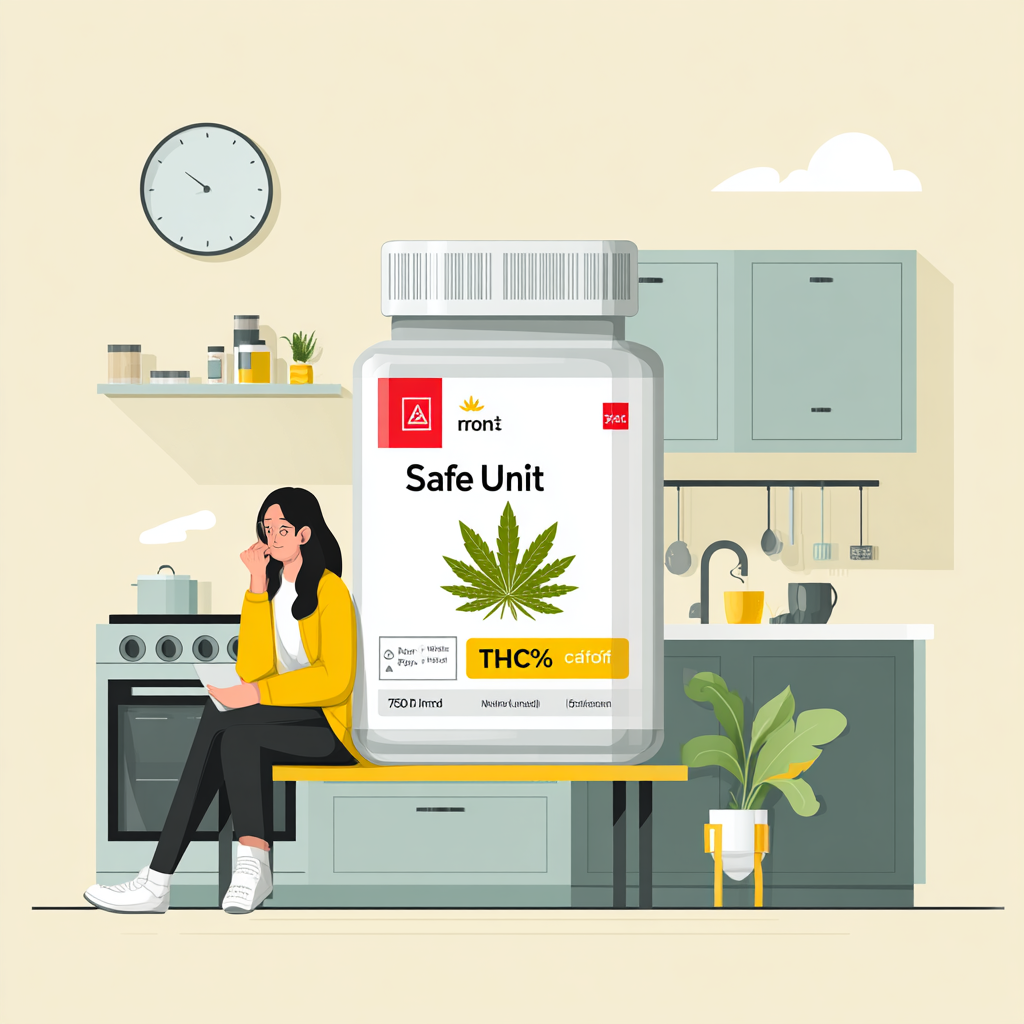
On January 12, 2026, researchers at the University of Bath in the United Kingdom introduced the first proposed scientific thresholds for “safer” cannabis use. This report aims to provide consumers with a framework similar to alcohol units, allowing individuals to monitor their intake and reduce the risks of long-term dependency.
The study emphasizes that as cannabis becomes more legalized and potent, the lack of a standardized measurement has left users without guidance on what constitutes “moderate” versus “high-risk” consumption. By defining specific THC thresholds, the team hopes to offer a practical tool for harm reduction that can be easily communicated through product labeling.
Public health experts are hailing this as a major step toward professionalizing the consumer experience, moving away from “guesswork” and toward data-driven wellness. The researchers used data from large-scale user trials to predict the point at which cognitive impairment and the risk of Cannabis Use Disorder (CUD) significantly increase.
While these thresholds are currently recommendations for the UK government, they are expected to influence global packaging standards. For the first time, consumers may soon see a “recommended daily limit” on their legal cannabis products, similar to the warnings found on bottles of wine or beer.
This research marks a transition from simple prohibition to a more nuanced, “educational” era of legalization. By providing measurable benchmarks, the study empowers users to make informed decisions about their health while reducing the societal burden of problematic consumption.
Source: geneonline.com
Ancient Cannabis Enzymes “Resurrected” for Modern Medicine

In a major biotech achievement, researchers from the Wageningen University in the Netherlands announced in a January 10th, 2026, report the successful “resurrection” of ancient cannabis enzymes.
By using ancestral sequence reconstruction, the researchers were able to rebuild proteins from the ancestors of the plant itself from millions of years ago, well before the plant became specialized through agricultural cultivation.
The scientists found that these ancient enzymes were ‘generalists’ with the ability to synthesize more than one cannabinoid, including THC, CBD, and CBC, at the same time from a single precursor molecule. In contrast, the specialized enzymes currently utilized in modern biosynthesis are rather difficult to manufacture in a lab setting with microorganisms such as yeast.
The above find is a game-changer in the pharmaceutical sector, and more specifically in the manufacture of Cannabichromene (CBC). Although the current plant yield of CBC is less than 1%, this new set of resurrected enzymes will allow its bulk synthesis.
Currently, CBC is being researched for its strong anti-inflammatory, antibacterial, and anticonvulsant effects. The availability to synthesize “ancient” cannabinoids in a laboratory means that exotic medicinal substances can soon be acquired for a similar price to traditional CBDs.
This research demonstrates that the future of cannabis medicinals could indeed be found in the distant past. With the ability to utilize these adaptable “generalist” enzymes, a brand new horizon is being explored in the bio-production of high-purity target-specific medications that have been ‘forgotten’ by nature.
Source: newatlas.com
OHSU Review Finds Cannabis Comparable to Ibuprofen for Chronic Pain
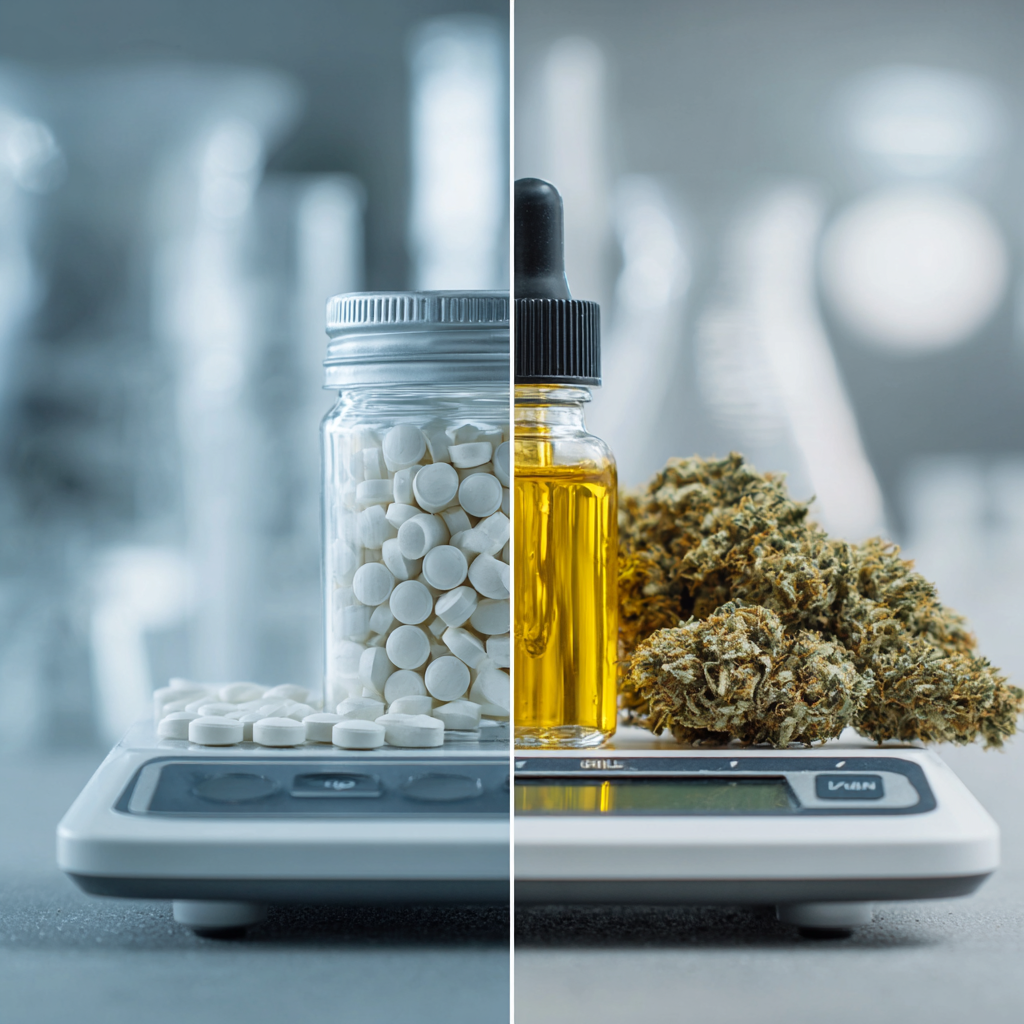
A thorough systematic review conducted by Oregon Health & Science University (OHSU) and published on January 6, 2026, has set a shockingly new standard for cannabis effectiveness. The team scrutinized numerous trials and concluded that there are cannabis products that offer a similar level of relief for chronic pain as ibuprofen.
Though the “small but significant” relief of pain was observed in a number of conditions, the study revealed that cannabis was most beneficial in neuropathic pain, which is a type of pain associated with nerves in the body.
According to the study, products containing a higher amount of THC were the most beneficial in providing relief, although they are associated with greater side effects compared to those containing a lower amount of THC.
Also, this study is important as it shifts the discussion away from “miracle cures” and towards a reality check about the plant’s effectiveness as a common pain reliever.
For people with medical conditions, the ability to attain relief comparable to that found in over-the-counter NSAIDs without the danger of developing ulcers and/or kidney problems is a big advantage.
As the study authors pointed out, although the pain relief is not dramatic, it is consistent enough to make cannabis a viable alternative for those who can’t handle traditional pain medications. Nevertheless, the article also states that the “short-term” nature of most studies means more research is needed.
This research gives doctors a clear “efficacy baseline” in discussing cannabis treatment with their patients. This firmly establishes the plant as something more than a luxury item or “last resort,” but rather as a useful tool in the same class as current pharmaceuticals.
Source: cannabisevidence.org
Spain’s Medical Cannabis Decree Faces Supreme Court Challenge

The long-awaited regulation on medical cannabis in Spain encountered a significant legal hurdle when the country’s Supreme Court opened hearings on an appeal filed by pharmacists on January 9, 2026.
This appeal is related to a contentious regulation adopted by the Spanish government, which allows the distribution of medical cannabis only through hospital pharmacies and not through the numerous chemist shops across Spain.
According to the Spanish pharmacists, “the so-called ‘hospital only’ rule means that patients are denied easy access to it, especially those from rural areas who have to travel many hours to get to the main medical center.” The petitioning party is demanding changes to the decree by accessing standardized cannabis formulations through community pharmacies.
The result of this case will shape the future of the Spanish market, which has been in “regulatory limbo” since 2022. If the justices rule in favor of the pharmacists, it will immediately make Spain one of the most open healthcare markets in the European Union.
Patients, who have long campaigned for legalized use of the medication, now await a court decision that will take a few more months for a verdict.
This case illustrates the rising conflict in Europe between closed, hospital-controlled models of medicine and the movement for “pharmacy-grade” access.
While the case is before Spain’s highest court, the worldwide industry is awaiting the determination of whether the country will take a closed approach or a more open strategy.
Source: businessofcannabis.com
Wayne State Launches Major Cannabis Study for Veterans with PTSD
On January 6, 2026, Wayne State University revealed that it will conduct a large recruitment campaign for a new study that will incorporate the use of cannabis for veterans in the treatment of PTSD.
This clinical study aims to be the most rigorous one ever conducted. This examines the impact of ratios of THC to CBD on “fear extinction” in the brains of the patients.
Study managers are seeking to recruit service men and women who have experienced trauma related to their service, and who are either using or are interested in using cannabis as a primary means of treatment. The aim is to push beyond anecdotal reports to determine whether or not cannabis has a positive effect on “unlearning” traumatic stimuli or if it merely suppresses anxiety symptoms.
Indeed, the issue of rescheduling cannabis and conducting human trials has become very relevant, especially given the recent executive order in December to reschedule cannabis, reducing federal restrictions on conducting human trials for universities.
This proposed experiment will utilize cutting-edge neuroimaging, monitoring changes in the amygdala, the ‘emotional center’ of the brain, during and post-cannabinoid therapy.
For veterans, this study is an advancement in “validated” care that one day may lead to prescribed cannabis being funded by the VA. Those in preliminary studies have found that it allows them to return to their family and socialize in ways that SSRIs never would.
The results are expected to offer the clinical information necessary to create “PTSD-specific strains and doses.” The study’s focus on the most affected group aims to establish a new standard for the global use of cannabis as a remedy for the invisible wounds suffered during war.
Source: cannabisevidence.org