
Trump Signs Historic Executive Order for Rescheduling

This is because, on December 18, 2025, President Donald Trump signed a historic executive order in the Oval Office, mandating government agencies to hasten the process of rescheduling marijuana from Schedule I to Schedule III, which is the biggest overhaul in American drug policy in over half a century, and indicates that cannabis has “currently accepted medical use.”
Although this action does not legally allow recreational cannabis in the United States, it does tell the Attorney General to complete the rulemaking process. With this change of classification to Schedule III, cannabis is categorized alongside Ketamine, indicating less potential for abuse than heroin.
Among the major immediate effects of the order is the likely repeal of the 280E tax penalty on state-legal cannabis businesses. This federal taxing provision has for some time prevented businesses from deducting operating expenses, resulting in effective tax rates of over 70% in some cases.
The rules include a historic pilot program that will enable Medicare to begin reimbursing patients for the use of certain CBD products. This will help to significantly increase accessibility for the senior community that has the “fastest-growing rate of cannabis use in recent years.”
As President Trump pointed out, this rescheduling “will make it far easier to conduct medical research” into the kinds of therapies that might be used in the future to treat a variety of chronic ailments. This “historic pivot” is also intended to offer a signal to the world that could help other countries rethink their cannabis laws.
Source: norml.org
Czech Republic Officially Legalizes Adult-Use Cannabis

The Czech Republic (Czechia), on January 1st in the year 2026, made history by fully implementing its new regulatory framework for adult use cannabis. The development is the culmination of many years of evolution in the nation’s reform policies. Initially, the country had a system of decriminalization.
Those above the age of 21 are now allowed to grow a maximum of three plants at home. Additionally, a resident is allowed to possess a generous 100 grams at home compared to a maximum of 25 grams in a public place.
This is a unique system in Europe because of its highest possession limits, which are the highest in Europe in the legalized countries. Although the act is primarily concerned with cultivation and possession, members can form cultivation associations for membership.
The officials stated that the reform’s intention was to reduce the presence of the illegal market and put health before punishment. The reform has also seen a rise in the health monthly dose from 30 grams to 180 grams in heroin use among HIV/AIDS patients.
“According to some observers, ‘the Czech experiment will be of great interest to neighboring EU countries, especially as the German market keeps growing,’ and by opting for a rights-based policy, Czechia ‘is now the new progressive core of European cannabis.’
Source: jdsupra.com
New Study Identifies CBD as Potent Tool for Alcohol Reduction
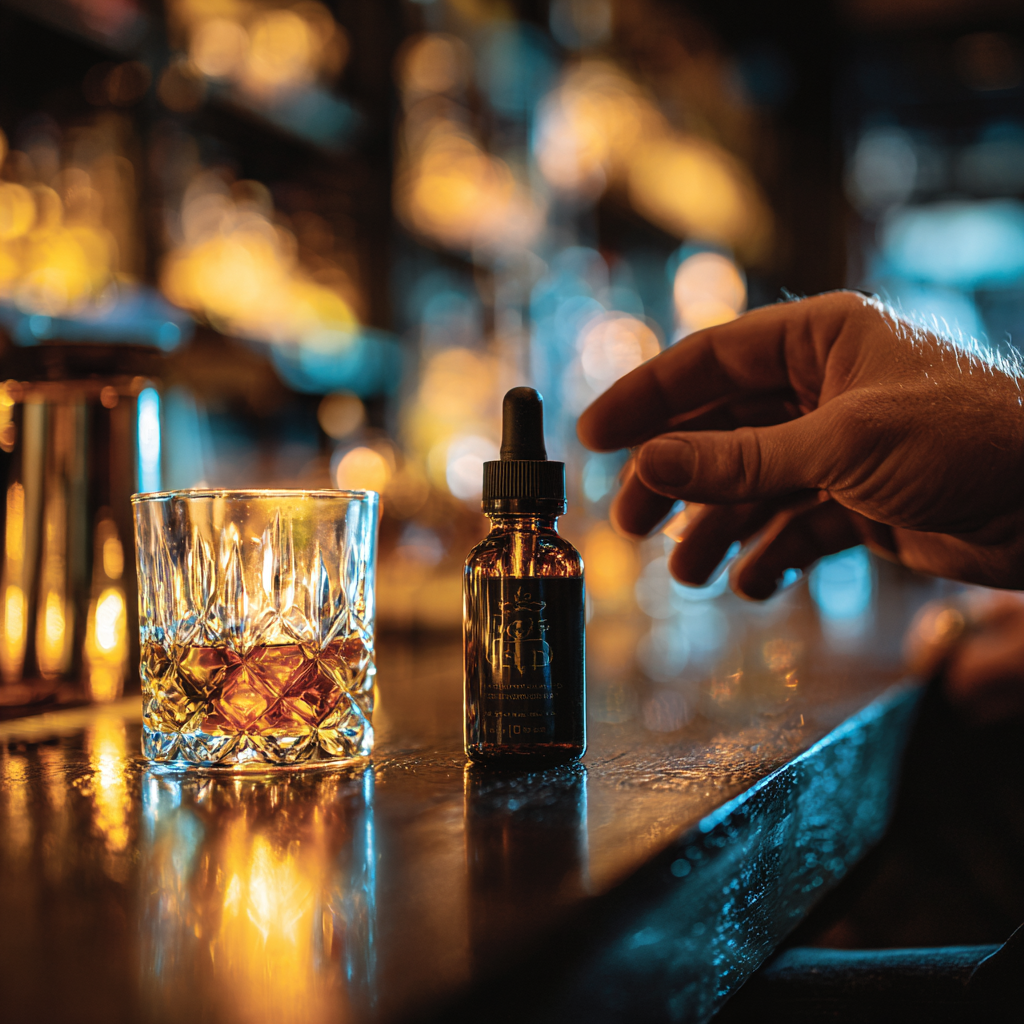
Research conducted in late December 2025 in “The American Journal of Psychiatry” has pointed out that one of the greatest breakthroughs in the treatment for Alcohol Use Disorder can be found in CBD. It was shown that acute cannabis use after an interval of abstinence led to a significantly reduced amount of alcohol use in comparison to the placebo group.
Significantly, the study made it clear that CBD can offer this benefit with no sedation, unlike what happens with many drugs used in treating addiction. This is an important point, given that many drugs used in treating addiction will affect the patient’s ability to function on a day-to-day basis, resulting in poor patient compliance.
As observed by the team, the substance has the ability to modulate the reward pathways found in the brain, thereby suppressing the cravings and the withdrawal symptoms that are normally involved in alcohol dependency. According to the study participants, the introduction of cannabinoid substitution led to a reduction in alcohol consumption by as much as 25% on average.
“For healthcare professionals in particular, it is likely that such findings are going to be regarded as a foundation for new medical advice relating to ‘Dry January’ and other sobriety campaigns.”
Unlike THC, which in higher quantities has been known to lead to anxiety in users, CBD has non-intoxicating properties that make it an appropriate avenue for harm reduction.
There is a need for further large-scale studies into the optimal dosage and delivery method for this alcohol remedy. For those who have built a dependence on alcohol, this scientific breakthrough is a veritable alternative, one that has its roots in a natural remedy.
Source: newswire.ca
“Engineering” Seizure Relief: New Compounds Outperform Traditional Meds

Scientists from the University of Nevada, Las Vegas (UNLV) announced early January 2026 that they have developed a novel series of THC-free and CBD-like molecules. What is even more surprising is the fact that these “engineered cannabinoids” are derived from caraway seeds and not from the cannabis plant.
The result of laboratory experiments revealed these synthetic anticonvulsants performed better than some conventional seizure medications that have been employed in treating children with epilepsy. This breakthrough is very crucial since it creates an opportunity for the effective anti-seizure properties of CBD to be administered, free of any trace of THC.
Such a “non-cannabis” strategy would circumvent many of the legal and social associations that plague medical marijuana, particularly when used on children. The team has employed advanced molecular modeling to create a compound that more aptly targets CB2 receptors in the body.
Unlike the natural form of CBD, in which the potency can be inconsistent at times, these molecules provide precision in potency. The article emphasizes that the potential use of these molecules can provide a safer and more effective treatment for children who have Dravet syndrome or Lennox-Gastaut syndrome.
This research represents a new beginning in “cannabinoid-mimic” research, in which the emphasis is no longer on the plant, but on the precise biochemical pathways that can halt seizure activity. With this technology advancing towards human clinical trials, a future of specialized, targeted drugs, “cannabis-inspired and made for the pharmacy,” awaits.
Source: cannatechtoday.com
Sativex Clinical Trials Reach Critical Milestone for Brain Cancer
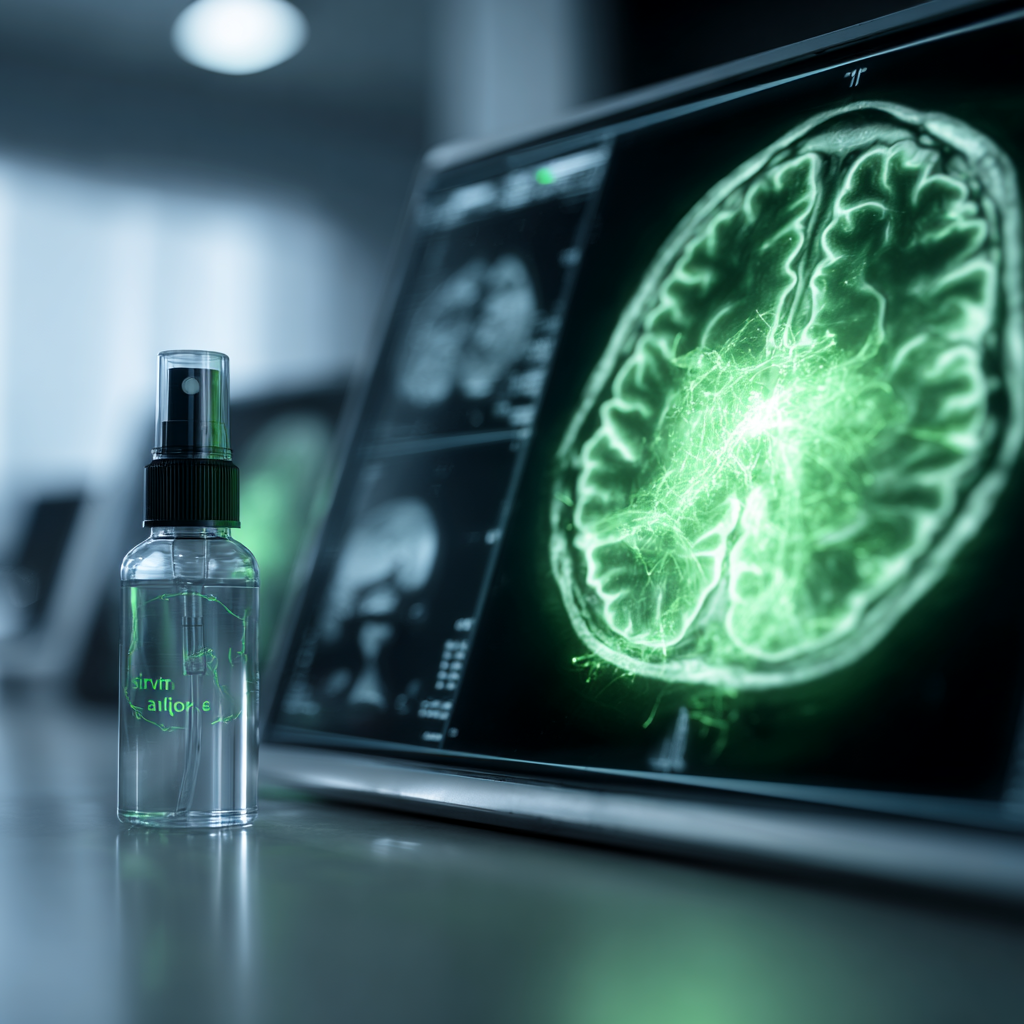
ARISTOCRAT, a clinical trial examining the efficacy of cannabis-based medication Sativex for recurrent glioblastoma, has passed an important enrollment point for January 2026.
Glioblastoma is a highly aggressive type of brain cancer, and this trial is investigating the addition of Sativex to a combination of other chemotherapies to increase survival rates.
Currently, 44 patients have been enrolled in 17 NHS hospitals in the United Kingdom, surpassing their recruitment targets. This came after data from the Phase I trial revealed that Sativex is well tolerated and indicated a possible survival benefit when added as an adjunct therapy.
The Phase II trial has now begun monitoring whether the particular combination of THC and CBD can indeed help patients with recurrent tumors “live longer, better lives.” A particular reason why cannabinoids seem so promising is their possible slowing of brain tumor growth through binding with the receptors on the surface of the tumor cells in the brain.
This new study has been hailed as a “novel approach” in the treatment of brain cancer, leveraging the entourage effect present in plant-based cannabinoids. If the result holds, it would create the first standardized treatment using cannabis in brain cancer.
One of the things that has been emphasized by patient advocates is how important this clinical trial is to giving a scientific basis to anecdotal evidence. The aim is to shift from “hope” to giving doctors all the information they need to integrate Sativex into mainstream cancer treatment.
Source: thebraintumourcharity.org