


Uruguay Confirms Plan to Legalize Cannabis Sales for Tourists
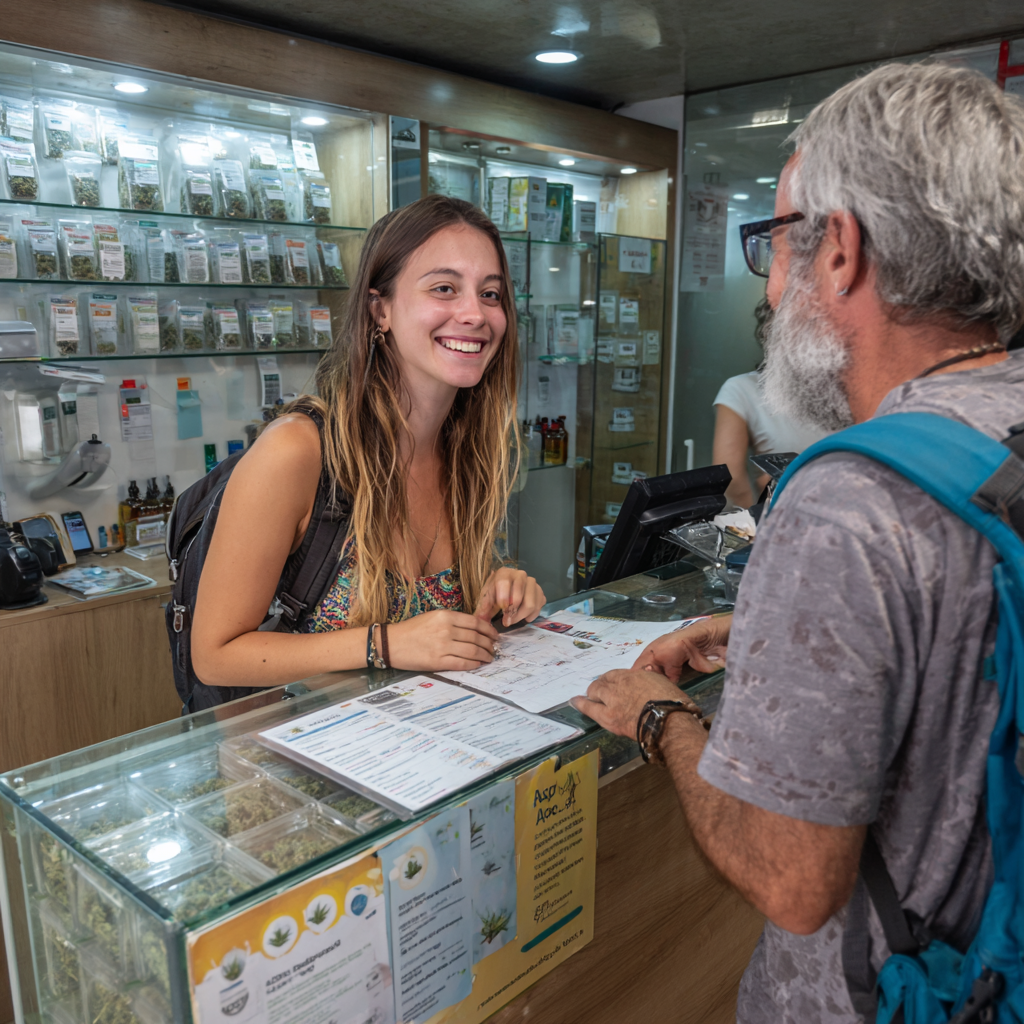
As part of a significant expansion in cannabis policy that seeks to address the long-standing black market, the Institute for the Regulation and Control of Cannabis (IRCCA) of Uruguay has confirmed this week that the framework for the sale of cannabis to foreign tourists is in the final stages of development.
The long-standing cannabis legalization policy of Uruguay has been criticized for its inability to sell cannabis to foreign visitors, despite the fact that millions of them visit the country every year.
This has inadvertently fueled the black market for cannabis in the country.
However, in the new framework that has been proposed and is in its final stages of analysis, foreign visitors will be able to register for a temporary pass upon arrival in the country. This will give them access to the same pharmacies that locals have access to. However, the purchase will be limited.
“We’re recognizing reality. Tourists come here and want access to legal cannabis. The fact that we’re excluding them is only helping the black market that we’re trying to destroy.“
The new framework is also significant in the sense that it will be the first time a government has attempted to include tourism in the regulated cannabis supply chain.
Source: swissinfo.ch
Japan’s “Wellness” Market Reeling from Imminent CBN Ban
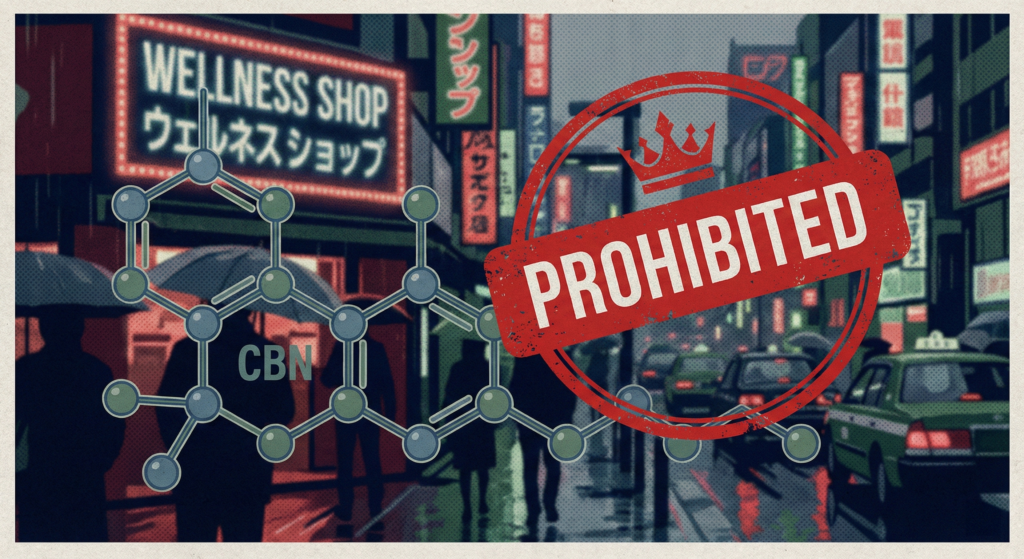
Japan’s burgeoning “grey market” for minor cannabinoids is about to face an existential crisis, with the Ministry of Health confirming plans to classify Cannabinol, or CBN, as a “designated substance,” effectively banning it from February 2026.
This is a major escalation in the government’s approach to cannabinoids, with the government now targeting even non-psychoactive cannabinoids linked to cannabis culture.
For the past few years, Tokyo’s wellness scene has been playing a game of “whack-a-mole” with the government.
As the government banned semi-synthetic cannabinoids such as HHC, THCP, and HHCH, the wellness scene responded by embracing CBN, a mild cannabinoid that is used to help with sleep and relaxation.
Its popularity soared among stressed-out office workers looking for a natural alternative to powerful sleeping pills.
However, the government now argues that CBN products, typically used in a vape format and designed to mimic cannabis, breach the spirit of Japan’s strict Cannabis Control Act.
“We are running out of molecules,” one despairing shop owner told a local newspaper, with many owners in districts such as Shibuya and Harajuku investing heavily in CBN products after previous bans on cannabinoids forced them to write off much of their existing stock.
Effectively, Japanese cannabis users are now left with just CBD isolate from stalks and seeds.
Observers believe that this is the final nail in the coffin for Japan’s brief period of cannabinoid use, with thousands of insomnia sufferers forced to go back to traditional pharmaceuticals and the wellness vape market being closed for good.
Source: blog.gaijinpot.com
Hawaii Weighs $90M Economic Boom as Legalization Bills Advance

Hawaii is on the cusp of becoming the next state to legalize the adult-use cannabis industry, with a major new economic report released on January 27, 2026, giving the legalization effort much-needed momentum.
The report, which was commissioned by the Hawaii Department of Health, estimated that the industry is on track to create $90 million in monthly revenue in just five years, but perhaps more importantly, it finally addresses the long-standing fear about the impact on the state’s critical tourism industry.
The data, which is part of the report, shows that the legalization of the industry will have a “negligible” negative impact on Japanese tourism, which is a critical demographic, but may actually have a positive impact on Canadian and mainland U.S. tourists.
Using this data, state lawmakers have filed companion bills (HB 1624 and SB 2420) to place a legalization constitutional amendment on the ballot in November 2026.
“We finally have the data to show that the sky won’t fall,” said Rep. David Tarnas, a key sponsor of the legalization bills.
This story is important because it shows the way economic factors are trumping cultural conservatism in one of the last holdout Democratic states in the country.
Source: marijuanamoment.net
Czech Republic Celebrates New “3-Plant” Law at Konopex Expo

As of January 2026, the Czech Republic has officially entered a new era of cannabis policy, and this has been the central topic of the recently concluded Konopex Expo in Ostrava.
The new cannabis laws that have been enacted in the Czech Republic, effective from January 1, 2026, will allow adults over the age of 21 to grow up to three cannabis plants at home for personal consumption without any fear of being prosecuted.
The new laws will also allow the citizens of the Czech Republic to have up to 100 grams of dried cannabis in their homes. Although the commercial adult-use cannabis industry has yet to be developed in the country, the new laws on ‘home grow’ essentially decriminalize the cannabis plant for hundreds of thousands of citizens.
The government of the Czech Republic is of the opinion that the new laws will weaken the black market for cannabis in the country and will pave the way for the development of a commercial cannabis industry in the future.
The new laws have been hailed as a ‘freedom-first’ approach in the Czech Republic, in contrast to the highly bureaucratic systems that have been put in place in the rest of the European Union.
Source: businessofcannabis.com
Former Police Chief Leads Charge for “Patient-First” Policing
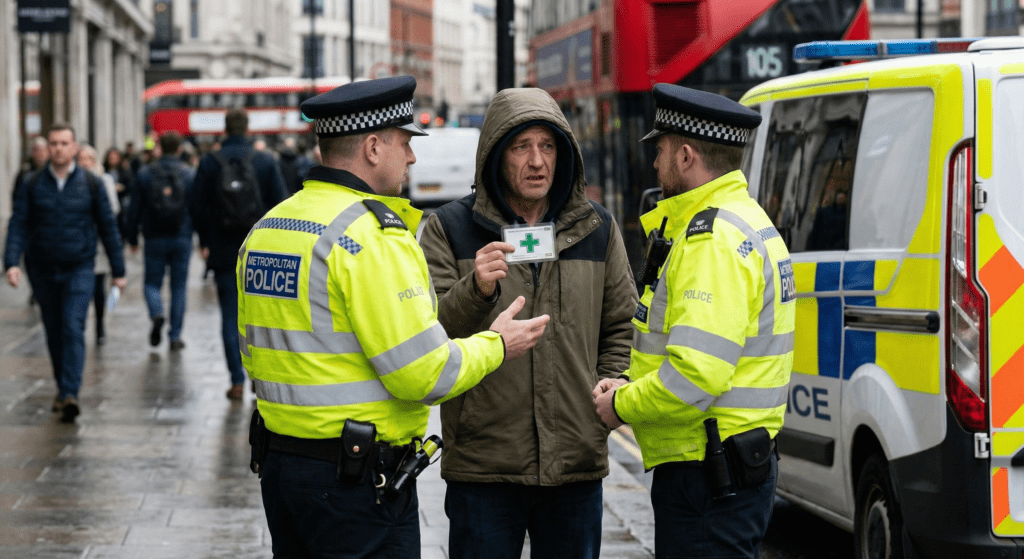
The veteran former police chief has emerged as the unlikely yet powerful figurehead of a new ‘Patient First’ police initiative that was launched in the UK this week.
List, who was instrumental in the creation of new guidance for police forces across the nation, is speaking out for the first time about the ‘stigmatizing’ and often illegal treatment of medical cannabis patients.
Medical cannabis has been legal in the UK since 2018, yet patients continue to be arrested, have their medicine confiscated, and be subjected to harassment by police officers who know nothing of the law.
The initiative was inspired by a series of tragic cases, including that of ‘Sarah,’ a severe epilepsy sufferer who was referred to social services and labeled a ‘drug risk’ by police officers who found her prescription medicine during a welfare visit.
“In a liberal democracy, if you have a prescribed medicine, you shouldn’t have to worry about the police knocking on your door,”
List declared forcefully at the initiative’s launch. The initiative will address the gap between the law and the streets by retraining police officers to identify digital medical IDs like Cancard and the validity of private prescriptions, which have a different appearance from those of the NHS. List’s involvement in the initiative is a significant shift in culture from the ‘War on Drugs.’
Source: cannabishealthnews.co.uk