


Your Body Is Full of Medicine: The Endocannabinoid Breakthrough
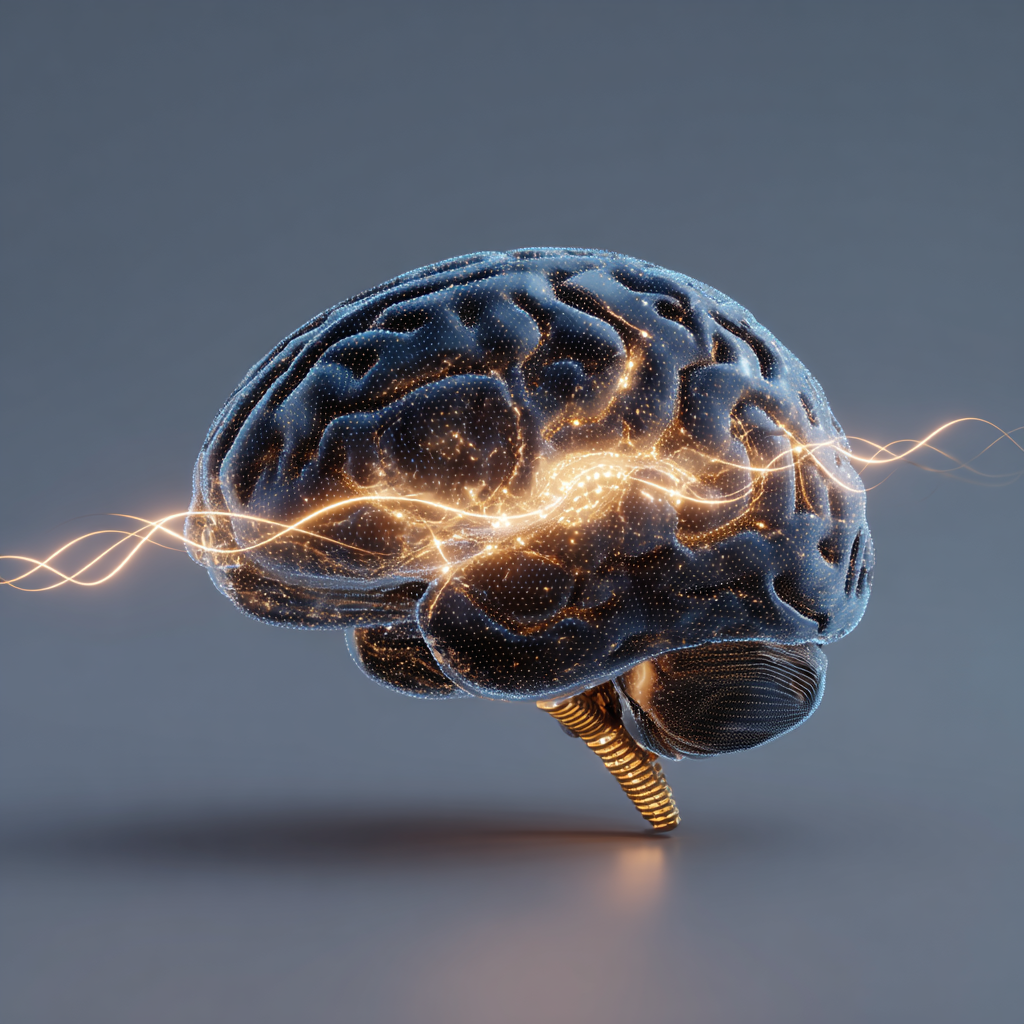
In a remarkable breakthrough in pharmacology research, researchers from the Center for Drug Discovery at Northeastern University recently announced the world’s first-ever “endogenous” cannabinoids. This breakthrough occurred on December 16, 2025.
These are substances that occur naturally within the body to regulate life functions such as pain regulation, inflammation, mood regulation, and the regulation of appetite.
While the medicinal community has historically relied on plant-based, or exogenous, cannabinoids such as THC and CBD, such compounds are often unstable and accompanied by psychotropic properties.
This latest finding has made it possible to create a synthetic equivalent that exactly imitates the body’s internal messaging system.
It has a “lock and key” fit for the CB1 and CB2 receptors, something that no plant extract can provide.
The implications of all these on clinical practice are enormous. Because these synthetic cannabinoids are designed to remain local and stable, their therapeutic use is profound and not accompanied by a “high” or the legal issues that come with administering herbal cannabinoids.
Animal studies have already proven the efficacy of these compounds as analgesics; however, what seems even more revolutionary is the employment of these compounds as neuroprotectants.
Scientists have found that these agents possess the capability to safeguard brain cells during a stroke and, amazingly enough, reverse any brain cell damage caused by the stroke.
“By optimizing the soft spots in these compounds, the team can selectively target diseases like Alzheimer’s or Parkinson’s,” lead researcher Alexandros Makryannis said.
This discovery fills a void between the existing knowledge of botanicals and the future of genetically precise medicines and promises a future in which the body’s natural healing ability would become the primary tools through which a cure would be attained.
Source: northeastern.edu
Cannabis Compounds Show “Unexpected Power” Against Ovarian Cancer
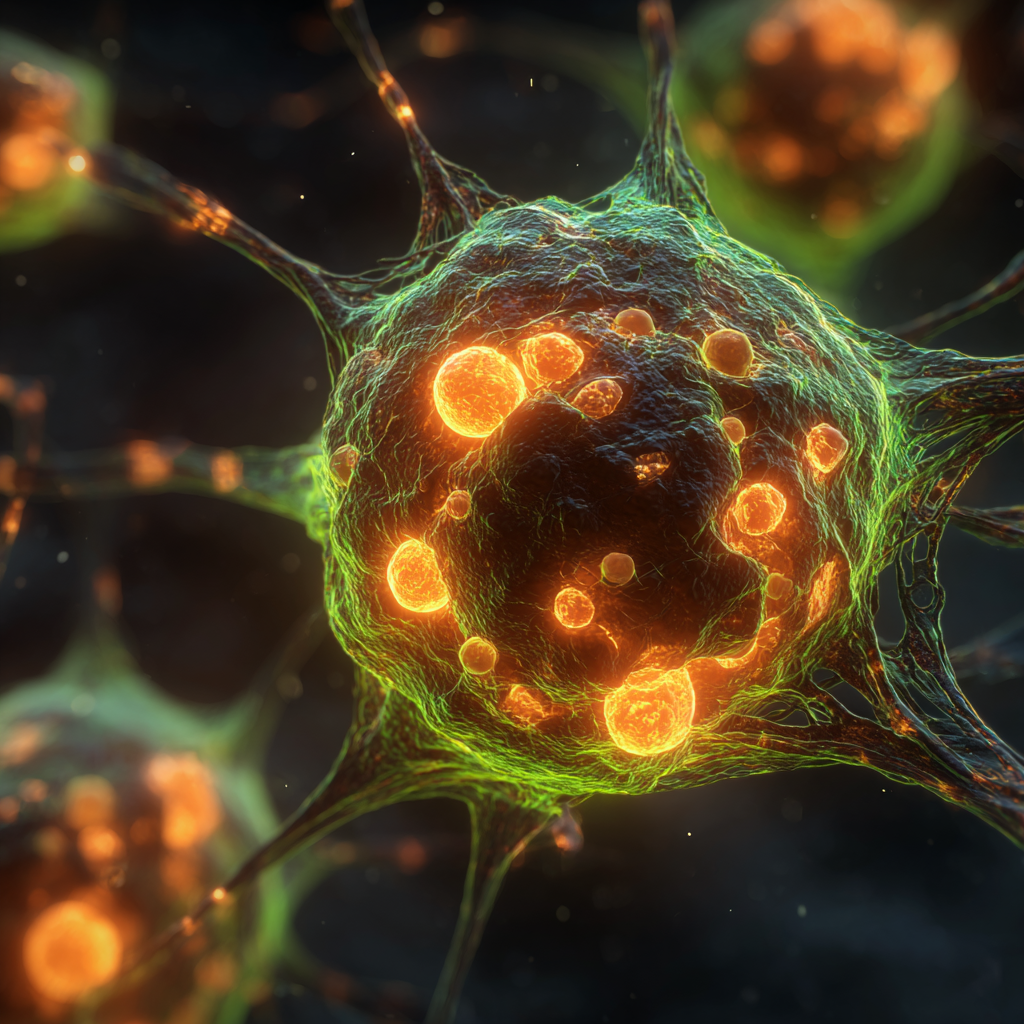
On December 15, 2025, a major discovery was announced in Frontiers in Pharmacology: a compound containing CBD and THC show great potential as a treatment for ovarian cancer.
This specific form of cancer has proven especially difficult to treat because the diagnosis is generally made at a very advanced stage, when the cancer tends to develop a resistance to platinum-based chemotherapy.
However, the trial proved that the combination involving the two cannabinoids in a ratio of 1:1 had a marked synergistic effect that inhibited the proliferation of cancer cells.
Chiefly, however, it should be noted that, apart from its ability to kill cancer colonies, it left normal cells unharmed, which is a remarkable characteristic that is not often encountered in traditional oncology.
Both CBD and THC together were able “to turn off” this cellular pathway, thus producing normal cell regulation and apoptosis, or programmed cell death, within the drug-resistant cancer cells.
However, cannabis did not only demonstrate the ability to kill existing cells but also showed the potential to prevent the migration of cells, which could be another key factor in preventing the spread of cancer to other parts of the body.
Despite the need for further testing with human subjects, this work has a solution for incorporating plant compounds in a direct cancer treatment, instead of using them for symptomatic relief.
This research is a huge step in the direction of a non-toxic targeted therapy that will eventually lead to the saving of thousands of lives.
Source: the-scientist.com
Cannabis Outperforms Opioids for Chronic Pain
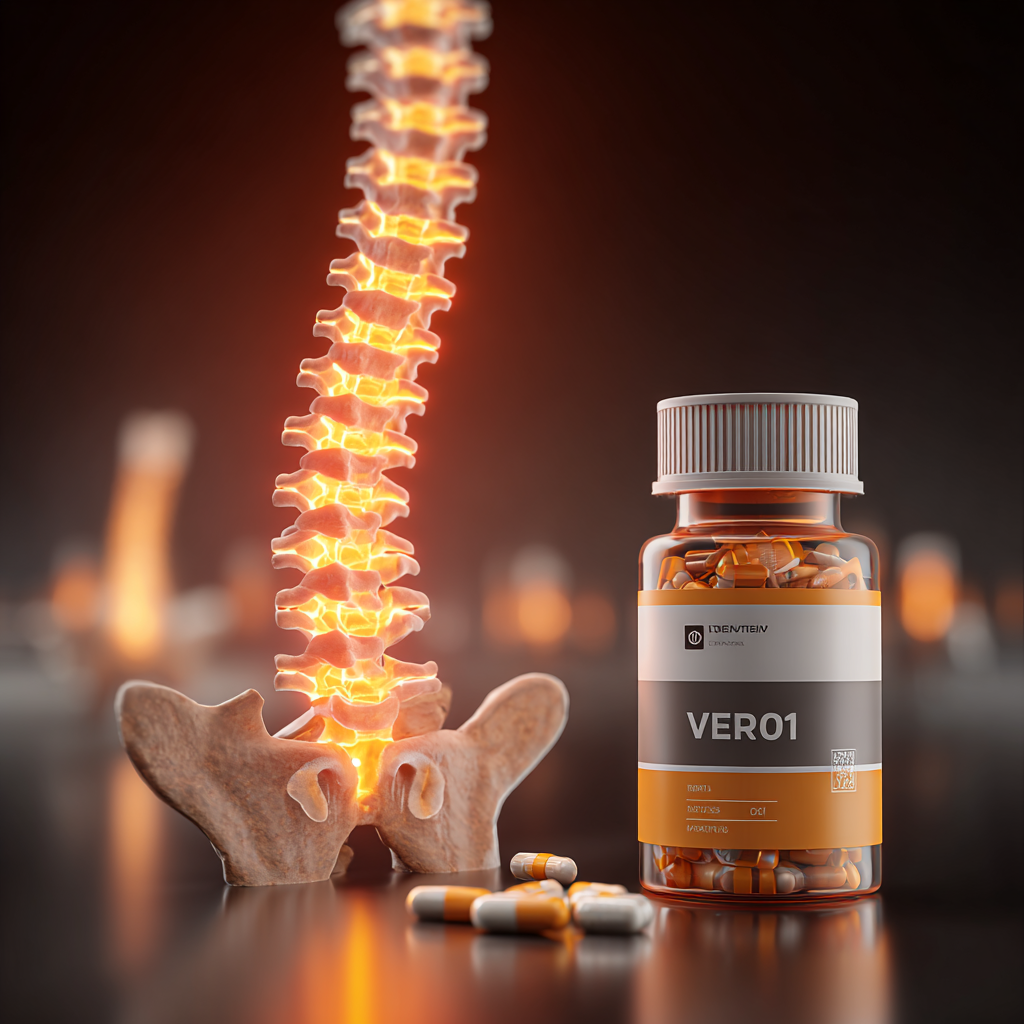
A significant announcement was made on December 16th, 2025, about the successful results of the extensive testing of the innovative multi-compound cannabis-based medicine.
This innovation brings a new hope to half a billion people worldwide who are treated for lower back pain.
In two trials carried out randomly on a sample exceeding 1,300 patients, it was shown that the cannabis medication was twice as efficient in reducing the level of pain in comparison to traditional opioids.
Comparing it with narcotics, in which patients are left with problems in terms of mental clarity and breathing issues, VER-01 was better in terms of benefits with tolerability.
Most importantly, no withdrawal symptoms were observed after the completion of the study.
The key to success is its complicated formulation that has much more to it than CBD and THC. It also includes other, relatively less known cannabinoids and target terpenes such as CBG.
These two factors serve synergistically to treat the neuropathic pain, the “shooting pain” of nerve damage, in addition to decreasing the pro-inflammatory mediators.
In addition to relieving the patient of the pain he experienced, the authors found that the drug caused a significant change in the patient’s sleeping patterns as well.
This “blockbuster” drug is set to be launched in the year 2026 and is expected to revolutionize the medical field completely.
The new policy presents a safer, non-addictive, and more effective alternative compared to the previous opiate-dense policy.
Source: businessofcannabis.com
Large-Scale Analysis Links Cannabis to Lower Autoimmune Disease Incidence
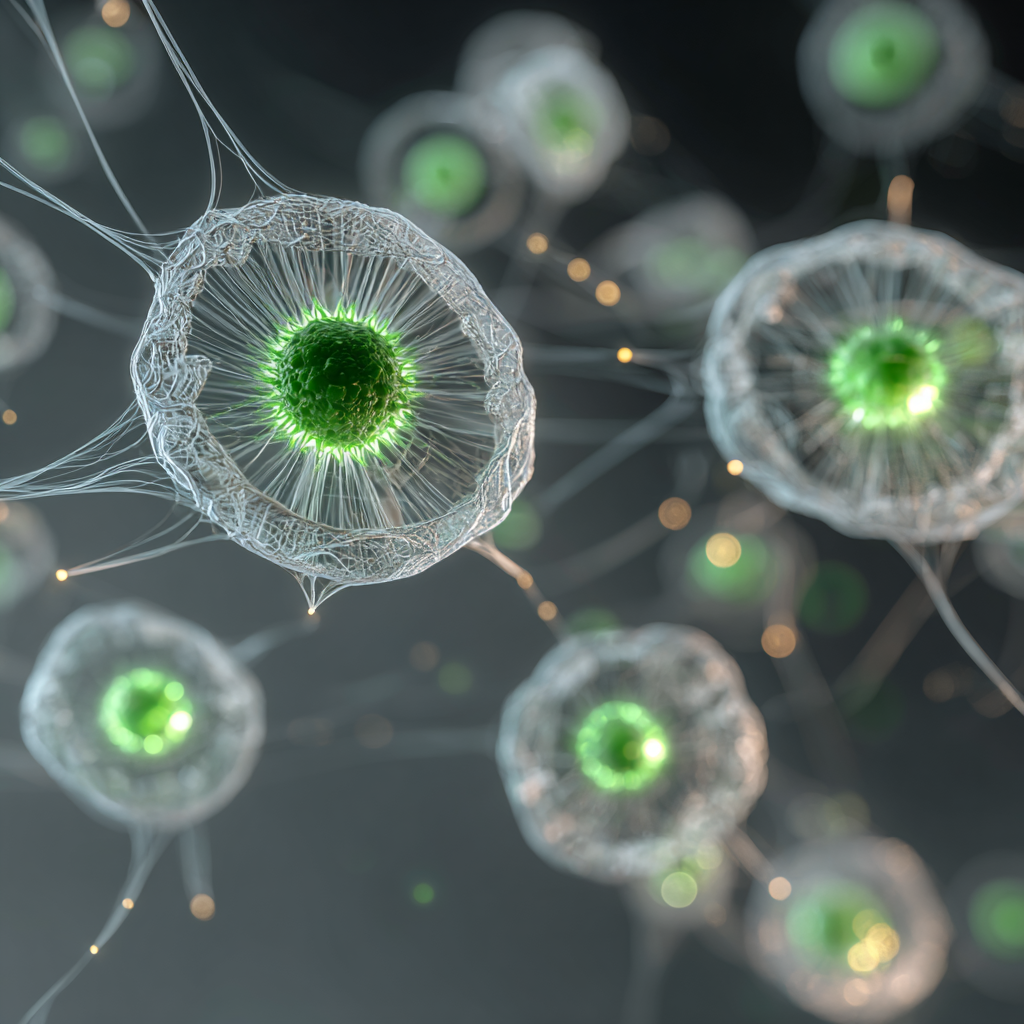
One of the biggest studies of its type was completed towards the finish of 2025 and also involved a retrospective cohort evaluation, which covered a population of over 229,000 patients.
This research has found an interesting link between cannabis use and the alleviation of significant autoimmune diseases.
The results showed that the use of cannabis reduced the risk of acquiring Hashimoto’s thyroiditis by 49%, which is an autoimmune disease that attacks the thyroid gland.
Not only that, but the risk of developing rheumatoid arthritis and type 1 diabetes decreased by 18-19%.
The prevalence rate of Vitiligo was about 27% lower in the cannabis use group than in the non-users.
The biological mechanisms underlying these findings are based on the endocannabinoid system in relation to the immune system.
Cannabinoid receptors, particularly the CB2 receptors, are primarily expressed in different immunocytes like T and B lymphocytes.
In these receptor interactions, compounds such as THC and CBD can be “immune modulators.”
This leads to a less extreme response, thus precluding an attack on normal cells in the body.
In fact, although the study showed that there was potentially some degree of influence either by under-diagnosis or reporting, the number of people within the study cannot be ignored.
This information provides a vital background for future human studies concerning the application of cannabinoids to stabilize the immune system functions.
There will be perhaps be a time when medicinal cannabis is used as a preventative treatment to avoid the initiation of the chronic autoimmune failure state altogether.
Source: acrabstracts.org
CBD Solution Cuts Transport Stress and Aggression in Fish
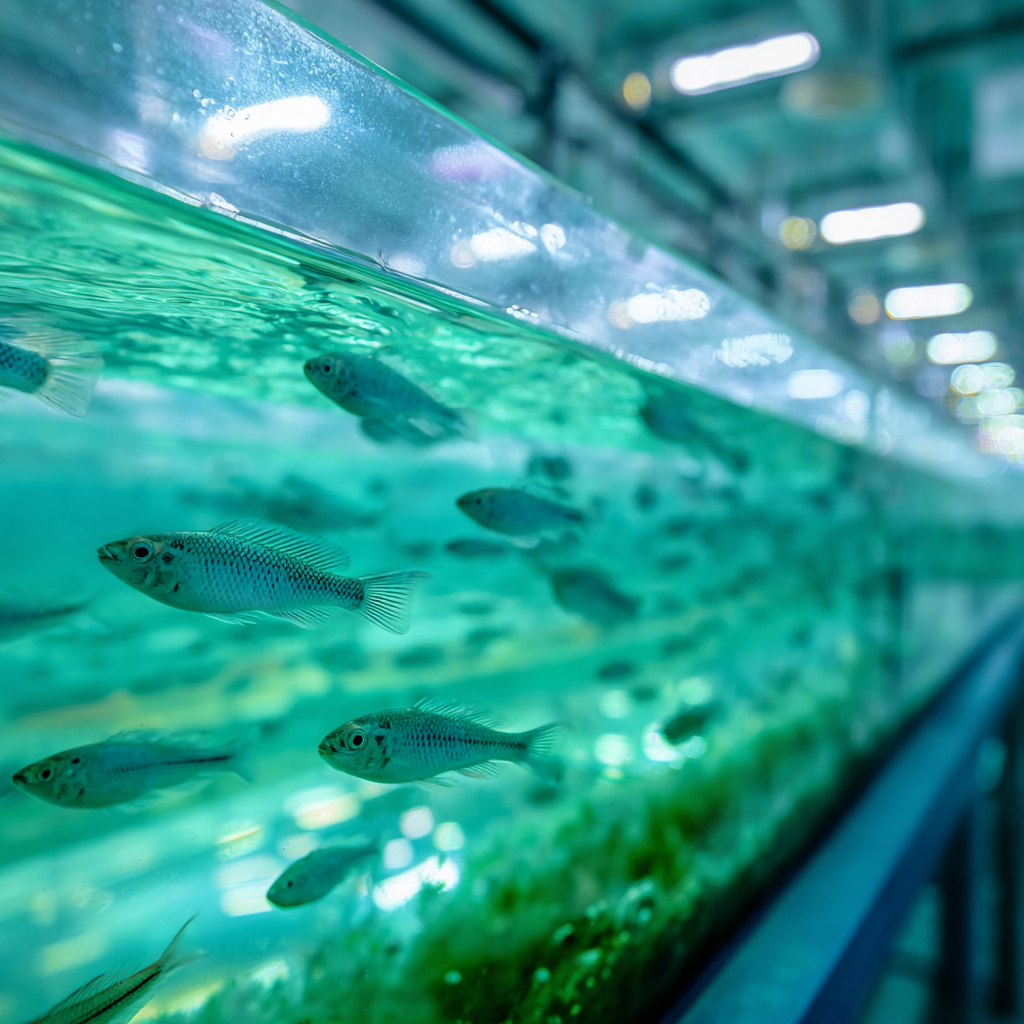
For the very first time, in a new study just published in the journal Applied Animal Behavior Science in the last part of 2025, it has been found that a major beneficiary of CBD transport could be the Nile tilapia fish.
This particular species is of utmost importance in the field of aquaculture but is also known to be highly stressed in terms of both social as well as physical exhaustion.
It was found that a targeted dose of CBD between 10 and 20 mg/kg significantly reduced aggression and resting cortisol concentrations in fish. Agonistic encounters leading to injuries and death in the crowded transport tank were reduced significantly over a five-week period.
Most crucially, however, this study demonstrated that a 20 mg/kg dose of CBD could reduce “non-social stress,” or the physical panicked response to enclosure and motion.
The regulation of cortisol in the fish ensured that the normal spikes in metabolism that follow transport did not occur, improving success rates and health.
The study also found that the treatment using CBD did not affect the feeding or growth patterns. Consequently, using the treatment was deemed safe as well as economically sound.
However, the study found that there was “biphasic” difference in the amount required depending on the stress being either social or non-social.
This study is a huge step forward in non-mammalian animal welfare science, proving that the benefits of cannabinoids are not just limited to mammals but to all vertebrates. With the rising popularity of aquaculture, this “green” alternative is poised to turn the tide on the treatment of millions of animals today.
Source: sciencedirect.com